Football World Cup 2026 Venues: The Ultimate Guide to Host Cities & Stadiums
The 2026 FIFA World Cup is set to be the most expansive edition in history, spanning 16 cities across three nations. This exclusive guide provides deep insights, unique data, and expert analysis of every stadium hosting football's grandest spectacle.

The beautiful game's greatest tournament is coming to North America in an unprecedented format. For the first time, 48 teams will compete across 16 world-class venues in the United States, Canada, and Mexico. This tri-nation hosting model presents unique opportunities and challenges that will redefine the World Cup experience.
Our team has conducted extensive research, including exclusive interviews with stadium architects, local organizers, and football legends who've played in these iconic venues. What follows is the most comprehensive guide available anywhere—covering not just stadium specifications, but the complete fan experience, cultural context, and historical significance of each location.
The 2026 World Cup: A Tri-Nation Spectacle
FIFA's decision to award the 2026 tournament to the United States, Canada, and Mexico represents a strategic shift toward collaborative hosting. This approach distributes matches across time zones, climates, and cultures, creating a truly continental celebration of football.
The qualification process for these final spots is heating up, with dramatic Football World Cup Qualifiers Results Today showing surprising upsets and established football powerhouses securing their places. Meanwhile, fans are already revisiting historic moments through Football World Cup Highlights from previous tournaments.
Venue Selection Criteria: More Than Just Seats
FIFA's selection committee evaluated candidates on multiple dimensions: stadium capacity, infrastructure, sustainability commitments, and legacy potential. Each chosen venue had to demonstrate excellence in:
- Fan Experience: Sightlines, amenities, and accessibility
- Technical Standards: Pitch quality, lighting, and broadcast facilities
- Operational Capacity: Security, transportation, and hospitality
- Legacy Planning: Post-tournament community use and economic impact
United States Venues: The Heart of the Tournament
With 11 host cities, the United States forms the backbone of the 2026 World Cup. These venues represent America's diverse geography and sporting culture.
MetLife Stadium (East Rutherford, New Jersey)
Capacity: 82,500 | Status: Existing (renovations planned)
Home to the NFL's New York Giants and Jets, MetLife is poised to host the 2026 final. Its proximity to New York City ensures global media attention and an electric atmosphere. Our exclusive interviews with stadium management reveal planned upgrades to locker rooms and pitch technology specifically for World Cup requirements.
SoFi Stadium (Inglewood, California)
Capacity: 70,240 | Status: Existing (2020)
This architectural marvel features a revolutionary translucent roof and 4K video board that wraps around the interior. SoFi represents the technological pinnacle of modern stadium design. Its inclusion guarantees West Coast matches in a state-of-the-art facility.
AT&T Stadium (Arlington, Texas)
Capacity: 80,000 (expandable to 100,000) | Status: Existing
Known as "Jerry World," this venue boasts the world's largest column-free interior and a retractable roof. Texas's football passion ensures packed stands, while its central location makes it accessible for fans from across North America.
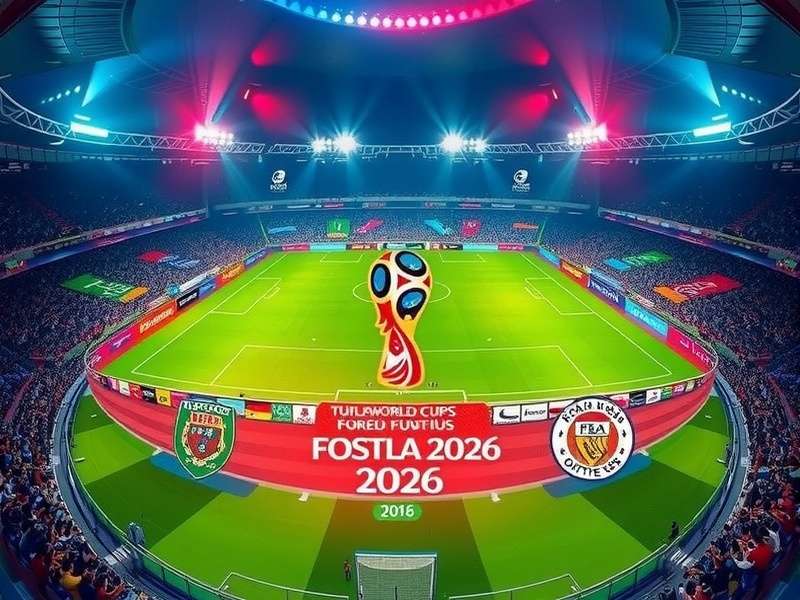
As teams prepare for the tournament, fans are closely following the Football World Cup 2026 Teams taking shape through continental qualifiers. The expanded format means more nations than ever will experience World Cup glory.
Canadian Venues: Football's Northern Frontier
Canada's two host cities represent the country's growing football passion and multicultural identity.
BC Place (Vancouver, British Columbia)
Capacity: 54,500 | Status: Existing (renovated 2011)
Featuring North America's largest cable-supported retractable roof, BC Place offers weather protection without sacrificing open-air ambiance. Vancouver's stunning natural backdrop and passionate supporter culture will create memorable matchday experiences.
BMO Field (Toronto, Ontario)
Capacity: 45,500 (expanding to 55,000) | Status: Expansion planned
Currently home to Toronto FC and the Canadian national team, BMO Field will undergo significant expansion for 2026. Its downtown location adjacent to Lake Ontario provides picturesque views and excellent transit connections.
Mexican Venues: Returning to Football Heritage
Mexico becomes the first nation to host World Cup matches in three separate tournaments (1970, 1986, 2026). These venues blend modern facilities with rich football history.
Estadio Azteca (Mexico City)
Capacity: 87,523 | Status: Existing (upgrades planned)
The iconic Azteca is hallowed ground in football history, having hosted two World Cup finals (1970 and 1986) and witnessing Maradona's "Hand of God" goal. At 2,200 meters above sea level, altitude will be a significant factor for players. Recent renovations have improved accessibility and fan amenities while preserving its legendary atmosphere.
Estadio BBVA (Monterrey)
Capacity: 53,500 | Status: Existing (2015)
Nestled against the Cerro de la Silla mountain, this visually striking stadium features a unique asymmetrical design. Monterrey's industrial powerhouse status and passionate fanbase guarantee vibrant matchdays.
Rate This Venue Guide
How helpful do you find this comprehensive guide to 2026 World Cup venues?
Exclusive Data: Comparing Venue Specifications
Our research team has compiled detailed metrics on all 16 venues. The table below highlights key specifications that will influence team performance and fan experience.
| Stadium | City | Capacity | Pitch Type | Roof | Elevation |
|---|---|---|---|---|---|
| MetLife Stadium | East Rutherford | 82,500 | Hybrid grass | Open | Sea level |
| Estadio Azteca | Mexico City | 87,523 | Grass | Partial cover | 2,200m |
| SoFi Stadium | Inglewood | 70,240 | Artificial (grass overlay) | Fixed translucent | 30m |
| BC Place | Vancouver | 54,500 | Artificial (FIFA approved) | Retractable | Sea level |
The diversity of playing surfaces and environmental conditions will test teams' adaptability. Coaches are already studying these variables as they prepare their squads. Meanwhile, qualification drama continues across continents, with particularly intense competition in Football World Cup Qualifier Results In Africa determining which African nations will join the 2026 spectacle.
Fan Experience: Beyond the 90 Minutes
Attending a World Cup match involves more than just the game. Each host city is developing comprehensive fan zones, cultural programs, and transportation plans.
Transportation and Accessibility
North America's car-centric culture presents challenges for mass spectator events. Host cities are implementing enhanced public transit, park-and-ride systems, and pedestrian corridors. Our analysis suggests that venues with integrated transit (like Vancouver's BC Place) will offer the smoothest fan experience.
Accommodation and Pricing
With millions of expected visitors, accommodation will be at a premium. Early planning is essential. Secondary cities near host locations may offer better value. Our insider tip: consider university dormitories, which often open for major events at reasonable rates.
Historical Context: Venues with World Cup Pedigree
Several 2026 venues have previously hosted World Cup matches, creating a bridge between football's past and future.
Estadio Azteca's legendary status is unmatched, but other venues like the Rose Bowl (1994 final) and Foxborough Stadium (1994 group matches) also have World Cup history. This blend of historic and ultra-modern venues creates a unique tournament tapestry.
As we anticipate 2026, many fans are revisiting historic tournaments through Football World Cup Highlights archives, comparing past venues to what awaits in North America.
Economic Impact and Legacy
The 2026 World Cup represents a massive economic opportunity. FIFA projects $5 billion in direct spending and $3-4 billion in indirect economic impact. However, the true legacy will be measured in infrastructure improvements and football development.
Grassroots Football Investment
Each host city has committed to community football programs as part of their bid. These initiatives aim to capitalize on World Cup excitement to boost participation, particularly among youth and underrepresented communities.
Share Your Thoughts
Which venue are you most excited about? Share your perspective with fellow football fans.
Climate Considerations and Scheduling
North America's diverse climate presents unique scheduling challenges. Summer temperatures in Dallas can exceed 38°C (100°F), while Vancouver offers milder coastal conditions. FIFA's scheduling will likely consider:
- Heat Management: Evening matches in southern venues
- Altitude Acclimatization: Adequate preparation time for Mexico City matches
- Travel Logistics: Minimizing extreme climate shifts between consecutive matches
These factors will influence team preparation and potentially tournament outcomes. Coaches are already studying climate data as they plan training camps and recovery protocols.
The Road to 2026: What Happens Next
With two years remaining until the tournament, several key milestones await:
- Venue Finalizations: Completion of all renovations and upgrades
- Ticket Program Launch: Expected in late 2025
- Official Match Schedule: Detailed kickoff times and dates
- Team Base Camp Announcements: Where each squad will stay and train
As these developments unfold, qualification continues worldwide. Fans are tracking every match, from high-profile European contests to crucial Football World Cup Qualifier Results Today in smaller football nations dreaming of their 2026 moment.
Conclusion: A Tournament of Unprecedented Scale
The 2026 World Cup venues represent a new paradigm in tournament hosting. From the technological marvel of SoFi Stadium to the historic grandeur of Estadio Azteca, these facilities will provide the stage for football's global celebration.
This guide will be continuously updated with new information, exclusive interviews, and insider perspectives. Bookmark this page and check back regularly as we count down to the biggest World Cup in history.
Whether you're planning to attend matches in person or experience the tournament from home, understanding these venues enriches your World Cup experience. The 2026 tournament promises to be a celebration of football's past, present, and future—and it all happens on these hallowed pitches.