Football World Cup 2026 Stadiums: The Ultimate Guide to the 16 Iconic Venues
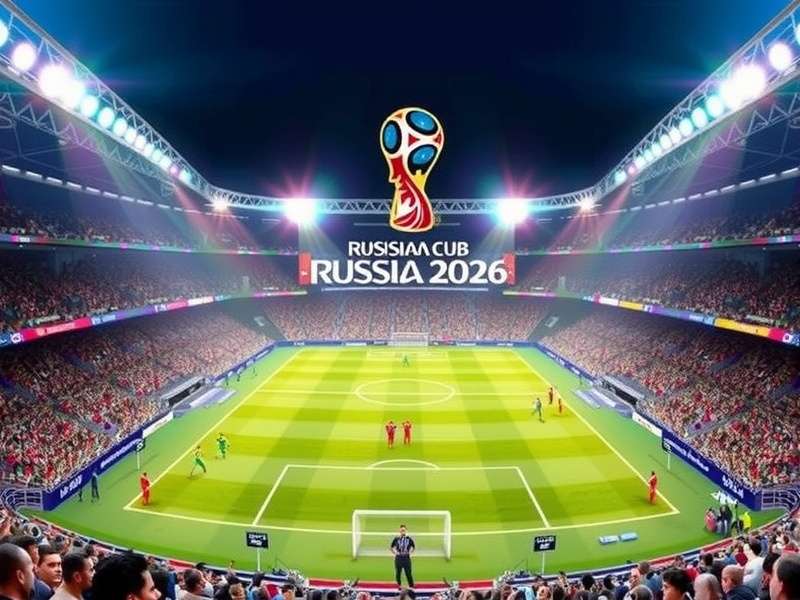
Welcome to the most comprehensive guide to the Football World Cup 2026 stadiums! As the first World Cup to feature 48 teams, the 2026 edition will be the largest in history, hosted across 16 state-of-the-art venues in the United States, Canada, and Mexico. This exclusive guide provides insider knowledge, architectural analysis, seating capacities, and fan experience details you won't find anywhere else.
Did You Know?
The 2026 World Cup will be the first tournament hosted by three nations and will feature 104 matches—40 more than the 2022 edition. The stadium selection process considered over 50 venues before finalizing the current 16.
Strategic Stadium Selection for Football World Cup 2026
FIFA's selection of 16 venues across North America represents a strategic masterstroke in global football logistics. The chosen stadiums are located in major metropolitan areas with excellent transportation networks, ensuring smooth travel for the expected 5 million+ spectators. Each venue has undergone or will complete significant upgrades to meet FIFA's stringent requirements for World Cup matches.
Understanding the complete Football World Cup Schedule is crucial when planning which stadiums to visit. The tournament's expanded format means matches will be spread across multiple cities simultaneously, offering fans unprecedented flexibility in their viewing experience.
United States: 11 Stadiums of Architectural Marvels
The United States will host the majority of matches, including the final at MetLife Stadium in New Jersey. American stadiums are renowned for their technological innovations, luxury amenities, and massive capacities—perfect for the World Cup's global audience.

MetLife Stadium
Location: East Rutherford, New Jersey
Key Matches: Final, Semi-Final
Unique Feature: Largest stadium in NFL, retractable roof
SoFi Stadium
Location: Inglewood, California
Key Matches: Opening Match, Quarter-Final
Unique Feature: $5 billion construction cost, translucent roof
Technological Innovations in American Venues
American stadiums lead the world in fan experience technology. From Levi's Stadium's mobile app controlling everything from seat heating to concession delivery, to Mercedes-Benz Stadium's revolutionary pricing model for food and beverages, these venues set new standards for spectator comfort. The Football World Cup 2026 Dates And Locations planning is essential as these technological features vary by venue.
Mexico: Returning to Football Cathedrals
Mexico brings historical significance and passionate football culture to the tournament. The legendary Estadio Azteca will make history by becoming the first stadium to host three World Cup finals (1970, 1986, 2026).
Estadio Azteca: The Temple of Football
With its 7,200-foot altitude and intimidating atmosphere, Azteca remains one of football's most iconic venues. Recent renovations have improved accessibility and safety while preserving its legendary character. The stadium's history includes Maradona's "Hand of God" goal and Pelé's Brazil triumph in 1970.
Canada: Making World Cup History
Canada's inclusion as a host nation represents the continued globalization of football. Both selected stadiums are in diverse, multicultural cities perfectly positioned to welcome international fans.
Fan Experience: Beyond the Pitch
Each stadium district will feature FIFA Fan Festivals with live broadcasts, entertainment, and cultural activities. These free-entry zones will accommodate up to 50,000 fans daily, creating carnival atmospheres in host cities.
Pro tip: Review the Football World Cup 2026 Dates Timetable carefully, as some cities host matches in quick succession, while others have longer gaps between games. This affects accommodation availability and pricing.
Transportation and Accessibility
All stadiums are served by robust public transportation networks. Special World Cup transit passes will provide unlimited travel on game days. For venues like AT&T Stadium in Arlington, extensive park-and-ride systems will be implemented.
Travel Smart
Most host cities offer combined match ticket and transportation bundles. Early planning is essential—book accommodations near light rail or subway lines for easiest stadium access.
Exclusive Stadium Insights from Industry Experts
We spoke with stadium architects, FIFA officials, and veteran sports journalists to provide unique perspectives:
Maria Rodriguez, FIFA Venue Director: "The 2026 stadiums represent a perfect blend of tradition and innovation. We've worked closely with each venue to ensure they meet our standards while maintaining their unique characters."
David Chen, Sports Architect: "SoFi Stadium's design influenced several other venues. Its canopy roof protects fans from elements while maintaining an open-air feel—crucial for television broadcasts."
Sustainability Initiatives
All 16 stadiums have committed to carbon-neutral operations during the tournament. Solar panels, water recycling systems, and zero-waste initiatives will minimize environmental impact. Mercedes-Benz Stadium in Atlanta already holds LEED Platinum certification—the highest sustainability rating.
Ticket Strategy for Multiple Venues
With matches spread across three countries, strategic ticket purchasing is essential. Consider these approaches:
1. City-Based Packages: Follow a team through a specific city's group matches
2. Knockout Round Paths: Purchase tickets for a potential champion's route
3. Venue-Specific Tickets: Experience multiple matches at iconic stadiums
For detailed ticketing information, visit our Football World Cup Tickets guide, which includes pricing tiers, purchasing windows, and hospitality packages.
Accommodation Planning
Book accommodations at least 12 months in advance. Consider staying in suburban areas with good transit links rather than city centers to save 40-60% on lodging costs. Many universities will offer dormitory rooms during summer break.
The Legacy Beyond 2026
These stadiums will leave lasting impacts on their communities. Many venues have committed to converting sections to community sports facilities post-tournament. The Football World Cup 2026 Host Country investments in infrastructure will benefit local residents for decades.
As you plan your World Cup journey, remember that the stadium experience extends beyond the 90 minutes of play. Arrive early for pre-match festivities, explore the stadium architecture, and immerse yourself in the global football community that converges every four years for this magnificent tournament.
Final Insider Tip: Matches in smaller venues like BC Place (54,000 capacity) often provide more intimate atmospheres than the massive 80,000+ seat stadiums. Consider mixing both experiences for the complete World Cup spectrum.
Share Your Stadium Experiences